


How to Prevent Leaks in Cosmetic Tube Sealing


Cosmetic tube leaks are critical failures. They trigger retail chargebacks, destroy active skincare ingredients through oxidation, and ruin brand reputation. Consumers should never have to double-bag your product for travel. A premium lotion leaking inside a luxury handbag instantly kills customer loyalty. While poor-quality tubes sometimes take the blame, the vast majority of leak issues stem from operational errors on the factory floor. Misaligned parameters, improper sealing technology, or outdated equipment routinely fail to handle modern, high-viscosity cosmetic formulations. Preventing leaks requires a systemic approach. You must match the tube material to the correct sealing technology. You need to optimize the "sealing triangle" of heat, time, and pressure. Finally, investing in a purpose-built tube sealing machine guarantees repeatable precision, eliminating cold seals and micro-leaks before they reach the shipping carton.
Key Takeaways
Material Dictates Technology: Plastic and laminate tubes require precise thermal or ultrasonic welding, while aluminum tubes rely on mechanical crimping; mismatching these guarantees failure.
The Sealing Triangle is Non-Negotiable: Consistent temperature (the most critical factor), dwell time, and pressure are the foundational metrics for leak-proof seals.
Pre-Filling Handling Matters: Improper storage and handling of empty tubes prior to filling can warp materials and introduce dust, compromising the seal before the tube even enters the machine.
Contamination is the Enemy: Overfilling or splashing product into the seal zone is a primary cause of micro-leaks; precision dosing is as critical as the seal itself.
Supplier Expertise Matters: Selecting a machine is only half the battle; partnering with an experienced automatic tube filling machine supplier ensures proper factory acceptance testing (FAT) and customized tooling.
The Financial and Operational Impact of Cosmetic Tube Leaks
Defining a successful seal sets the baseline for production quality. A proper seal must be entirely burst-proof under standard transport pressure. It needs to withstand extreme altitude changes during air travel. When an airplane reaches cruising altitude, the pressure inside the cargo hold drops. The air trapped inside a cosmetic tube expands. If the seal is weak, the expanding air forces the crimp open, resulting in a blowout. The end result must also look aesthetically clean, featuring crisp crimps without burnt edges, stringy plastic, or distorted shapes. Most importantly, it must remain hermetically airtight to protect the formulation inside.
The cascading costs of seal failure devastate profit margins. Rework labor drains daily productivity. When a batch fails quality assurance, operators must manually slice open the rejected tubes, scrape the bulk product back into a recovery hopper, and throw away the expensive printed packaging. This wastes massive amounts of labor hours. Scrapped batches waste expensive bulk formulations and raw materials. When shipments arrive damaged at retail distribution centers, you face expedited freight charges for rush replacements. Long-term costs emerge when products leak in purses or luggage. Consumers rarely complain directly to the manufacturer; they simply switch brands and leave damaging online reviews that deter future buyers.
Regulatory and compliance risks add another layer of danger. Leaks in Over-The-Counter (OTC) cosmetics trigger strict compliance audits. Products like SPF sunscreens, acne treatments, or vitamin C serums lose their active ingredients rapidly through oxidation. A compromised seal allows ambient air to degrade the formula before the consumer even opens it. FDA inspectors routinely check seal integrity on OTC lines because a leaking tube means the stated active ingredient percentages are no longer accurate. In severe cases, these failures force expensive, highly publicized product recalls.
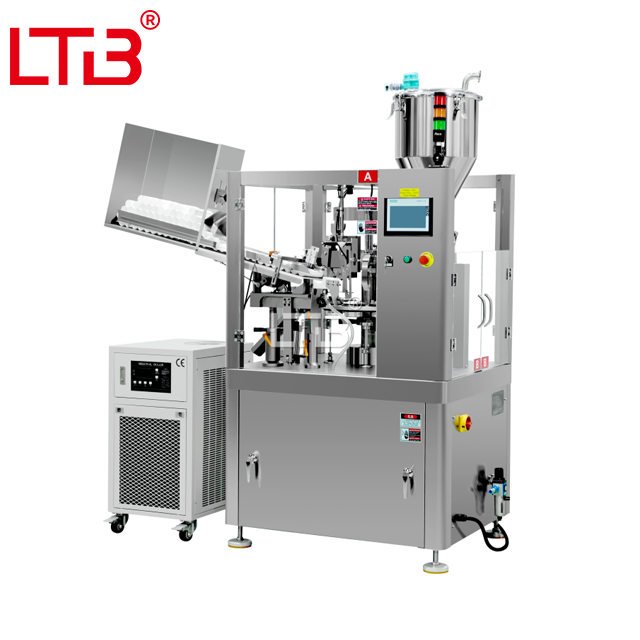
Root Causes of Seal Failure in Cosmetic Tubes
Fluctuations in hot air temperature create immediate weak spots. The sealing triangle requires absolute stability. If the temperature drops even slightly below the polymer's melting point, the inner layers fail to fuse. This creates a "cold seal." A cold seal looks perfectly intact to the naked eye, but the plastic layers are merely pressed together, not welded. The moment a consumer squeezes the tube, the seal pops open. Conversely, if the temperature spikes, the plastic scorches, creating brittle edges that crack during transport.
Improper storage of empty tubes ruins production runs before they begin. Exposure to extreme warehouse temperatures causes thin-walled plastics to warp. High humidity degrades cardboard shipping boxes. When the boxes sag, the weight crushes the tubes inside. This deforms the tube opening, turning a perfect circle into an oval. Sealing jaws cannot align perfectly on warped plastic. When the jaws clamp down on an oval tube, the material folds over itself, creating a crease. Product leaks straight through that crease.
Seal zone contamination is a massive hurdle on the factory floor. High-viscosity creams and stringy lotions often bridge the seal area during the filling phase. Particulate scrubs introduce physical barriers like walnut shells, sugar crystals, or silica beads into the crimp zone. This contamination prevents the polymer layers from making direct contact. Even microscopic amounts of oil will block the thermal fusion process. Common contamination sources include:
Stringy formulations snapping back onto the tube walls after the nozzle shuts off.
Air pockets in the bulk hopper causing the dosing pump to spit or splash product upward.
Overfilling the tube, leaving insufficient headspace for the jaws to clamp cleanly.
Static electricity attracting airborne dust into the open tube before filling.
Heavy 6-color printing interferes directly with melt-flow dynamics. UV coatings and glossy varnishes applied by OEM packaging providers block thermal transfer. If these coatings sit too close to the crimp zone, the heat cannot penetrate the plastic. The machine ends up burning the varnish instead of melting the tube. You must coordinate with your packaging supplier to leave a bare, unprinted margin at the very top of the tube.
Ambient factory conditions heavily influence the cooling phase. High ambient temperatures prevent the plastic from setting quickly after the jaws release. High humidity alters the thermal dynamics of the hot air nozzles. If the factory floor gets cold in the winter, the ambient air pulled into the hot air heater is colder, which can drop the final output temperature at the nozzle. These environmental variables lead to warping or microscopic channels within the seal.
Degraded sealing jaws apply uneven pressure across the width of the tube. Worn serrations fail to grip the plastic properly. Improperly aligned crimping stations chew through aluminum instead of folding it cleanly. Routine maintenance of these contact parts is non-negotiable. If the knurl pattern on the jaws wears flat, the machine cannot apply the localized pressure needed to fuse the polymers.
Matching Tube Material to the Right Equipment
Plastic and Polyethylene (PE) Tubes
Plastic and Polyethylene (PE) tubes require direct heat or friction to function. The inner polymer layers must reach a specific melt-flow index to fuse together permanently. High-volume PE tube runs demand a specialized plastic tube filling sealing machine. This equipment ensures precise temperature application while keeping the seal zone free of external varnishes during the melt phase. PE tubes offer excellent bounce-back memory, making them ideal for daily-use lotions, face washes, and shampoos. Because they return to their original shape after squeezing, the seal must be incredibly strong to withstand the repeated vacuum pressure generated inside the tube.
Laminate Tubes (ABL/PBL)
Laminate tubes combine multiple layers of material to provide superior barrier protection. Aluminum Barrier Laminate (ABL) includes a thin metal foil layer to block oxygen and light. Plastic Barrier Laminate (PBL) uses specialized polymers like EVOH instead of metal. Their varying thicknesses dictate highly specific heat tolerances. ABL tubes conduct heat rapidly because of the aluminum core, requiring shorter dwell times but highly aggressive cooling to prevent the plastic from melting off the foil. PBL requires longer dwell times to achieve a full weld because the heat must penetrate thicker plastic layers without burning the exterior.
Aluminum Tubes
Aluminum tubes operate on entirely different physics. They possess no memory and stay deformed when squeezed. This makes them perfect for pharmaceutical ointments or premium hair dyes where you want to prevent air from sucking back into the tube. Sealing them requires a mechanical folding process. Operators configure the machine for double, triple, or saddle folds depending on the product viscosity. Because there is no heat involved, you need a dedicated aluminum tube crimp sealing machine. This equipment relies entirely on mechanical pressure. It crushes the metal folds together, utilizing a latex lining sprayed inside the tube's end to create a hermetic, airtight seal.
Tube Material | Core Characteristics | Recommended Technology | Key Sealing Requirement |
|---|---|---|---|
Polyethylene (PE) | High memory, bounces back, standard barrier. | Hot Air / Ultrasonic | Direct heat or friction to melt inner polymers completely. |
Laminate (ABL) | Aluminum core, excellent oxygen/light barrier. | Hot Air / High-Frequency | Short dwell time, aggressive water cooling to protect foil. |
Laminate (PBL) | EVOH core, recyclable, good barrier. | Hot Air / Ultrasonic | Longer dwell time calibrated to specific barrier thickness. |
Aluminum | Zero memory, prevents air suck-back. | Mechanical Crimping | Proper fold configuration (double, triple, or saddle fold). |
Core Technologies for Leak-Proof Sealing
Hot Air Sealing Systems
Hot air sealing systems dominate the cosmetic packaging industry. A specialized nozzle lowers into the open end of the tube. It directs a concentrated blast of hot air outward, melting only the inner layer of the plastic. The nozzle features specific hole patterns designed to direct the airflow horizontally into the seal zone, preventing heat from blowing downward and degrading the cosmetic product. Immediately after the nozzle retracts, chilled jaws clamp the tube shut to fuse the melted layers. These systems deliver high speed and aesthetically pleasing, retail-ready results. However, they remain highly sensitive to factory temperature fluctuations. They also require a robust, well-maintained water cooling station to set the plastic instantly and prevent distortion.
Ultrasonic Sealing Technology
Ultrasonic technology takes a different approach. High-frequency acoustic vibrations generate localized friction heat directly between the plastic layers. A titanium horn vibrates at roughly 20kHz against an anvil, welding the plastics together from the inside out. Ultrasonic tube sealing equipment excels at sealing through minor product contamination. It works perfectly for high-oil serums, silicone-based primers, or stringy formulations that inevitably leave residue in the seal zone. The friction pushes the contaminant out of the way as it welds. It remains highly energy-efficient since it requires no continuous heating elements. The trade-off involves slightly slower speeds compared to hot air systems. You also need to purchase specific acoustic horns and anvils for every different tube size.
Radiant Heat and High-Frequency Sealing
Radiant heat and high-frequency sealing serve niche cosmetic applications. High-frequency methods target specific laminate structures containing metal foils, using electromagnetic fields to heat the metal layer rapidly. Radiant heat uses external heating elements to melt the plastic from the outside in. These methods are far less common in standard cosmetic lines due to equipment complexity, higher maintenance costs, and generally slower throughput. They are typically reserved for highly specialized industrial or pharmaceutical applications where standard hot air cannot penetrate the material.
Key Features to Evaluate in a Cosmetic Tube Sealing Machine
Look for machines featuring PLC-driven, real-time monitoring. The system must automatically reject tubes if temperature or pressure parameters fall outside the acceptable tolerance window. Precision controls eliminate human error. If the hot air drops by five degrees, the machine should stop or eject the flawed tubes immediately, preventing a whole batch of cold seals from reaching the cartoning stage. Servo-driven motors provide much tighter control over the jaw pressure compared to older pneumatic cylinders, which fluctuate based on the factory's air compressor load.
Bottom-up filling mechanisms prevent trapped air pockets that cause tubes to burst during transport. The filling nozzle dives to the bottom of the empty tube and rises slowly as the product dispenses, keeping the nozzle tip submerged in the liquid. Positive shut-off nozzles stop drips instantly. Blow-off features use a quick burst of compressed air to sever stringy lotions, keeping them from snapping back onto the tube walls. Formulation-specific dosing guarantees the seal zone remains pristine. A versatile cosmetic tube sealing machine will offer interchangeable nozzles for different viscosities.
Evaluate the operational reality of switching between different tube diameters and lengths. Tool-less changeovers provide massive value in high-mix cosmetic manufacturing. Operators should be able to swap pucks, adjust fill volumes, and change sealing jaws in under thirty minutes. If a changeover takes four hours and requires a mechanic with a toolbox, your Overall Equipment Effectiveness (OEE) will plummet.
Integrated water-chilled jaws set the seal immediately. Rapid cooling prevents the molten plastic from distorting as the tube drops onto the outfeed conveyor. This ensures a clean, flat, retail-ready crimp every single cycle. Ensure the chiller unit has adequate capacity to handle continuous high-speed runs. The water temperature needs to remain consistently between 10°C and 15°C. If the chiller is undersized, the water temperature will creep up during a long shift, leading to warped seals by the afternoon.
Implementation Risks and Mitigation Strategies
Operators face a steep learning curve when transitioning from manual to automated sealing. Temperature calibration requires a precise understanding of ambient conditions and material behavior. Operators must understand how to read the plastic's behavior. If the plastic strings out when the jaws open, the temperature is too high. If the seal has a milky, opaque line through the center, the temperature is too low. A setting that worked perfectly in a cold winter factory might scorch tubes during a humid summer shift.
Establish strict Standard Operating Procedures (SOPs). Mandate daily calibration of the sealing triangle before the first batch runs. Implement routine line-side testing to catch failures early. Conduct destructive burst testing using a pneumatic press. The operator places a sealed tube under a metal plate and applies specific downward pressure (e.g., 50 PSI for 10 seconds). If the seal holds, the batch passes. Perform vacuum leak testing by submerging sealed tubes in water inside a vacuum chamber. If bubbles appear, the seal is compromised.
Choosing the right equipment partner dictates your long-term success. Select a reputable automatic tube filling machine supplier with a proven track record in cosmetics. Demand comprehensive on-site training for your maintenance team. Verify they stock readily available spare parts to prevent weeks of downtime when a heating element burns out. Insist on sample testing using your specific bulk product and empty tubes. Secure robust warranty support before signing any purchase orders.
Scaling Production: Upgrading to a Custom Line
Transitioning from standalone semi-automatic sealers to fully integrated lines unlocks massive throughput. Automated systems remove manual handling bottlenecks. When operators manually load tubes into a rotary dial, fatigue sets in, speeds drop, and contamination risks rise. Operators touch the open ends of the tubes, transferring oils from their gloves onto the seal zone. Automation stabilizes the entire production rhythm and removes human contact from the critical path.
A custom cosmetic tube packaging line synchronizes every step of the process. It manages automated tube feeding from bulk hoppers. Eye-mark sensors read the printed block on the back of the tube, communicating with servo motors to rotate and orient the tubes perfectly. This ensures the front graphics align exactly with the flat sealing jaws. The line handles high-speed filling, sealing, trimming, and laser batch coding seamlessly. It then transfers the finished tubes directly into automated cartoning equipment. This closed-loop system eliminates human error entirely.
Calculate your return on investment based on hard metrics. Factor in drastically reduced scrap rates. Quantify the elimination of rework labor. Measure the impact of lower direct labor costs and increased daily throughput. A fully automated line often pays for itself within the first eighteen months simply by eliminating wasted bulk product and rejected packaging.
Conclusion
Audit your current empty tube storage conditions to ensure boxes remain climate-controlled, dry, and uncrushed.
Request physical sample testing with your specific bulk product and empty tubes before finalizing any machine purchase.
Implement daily pneumatic burst testing protocols at the start of every shift to verify the sealing triangle parameters.
Review your packaging artwork with your OEM supplier to ensure the crimp zone remains completely free of heavy varnishes and UV coatings.
Upgrade to bottom-up filling nozzles with positive shut-off valves if you are currently experiencing product stringing in the seal zone.
FAQ
Q: What causes a plastic cosmetic tube to leak at the seal?
A: Temperature drops during the sealing process prevent proper melting. Insufficient dwell time stops the polymer layers from fusing. Improper empty tube storage deforms the opening, causing jaw misalignment. Finally, product contamination in the seal zone creates a physical barrier against welding.
Q: Which is better for cosmetic tubes: hot air or ultrasonic sealing?
A: Hot air provides superior speed and excellent aesthetic finishes for clean environments. Ultrasonic technology offers unmatched reliability when sealing through minor product contamination. Choose ultrasonic for oily or stringy formulations where keeping the seal zone perfectly clean is difficult.
Q: Can one cosmetic tube sealing machine handle both plastic and aluminum tubes?
A: Some combination machines exist with interchangeable sealing and crimping heads. However, they require extensive changeover times and complex mechanical adjustments. Dedicated machines are usually preferred for high-volume production to maintain efficiency and reduce mechanical wear.
Q: How do you test the seal integrity of a cosmetic tube?
A: Quality assurance teams use vacuum chamber testing submerged in water to identify micro-leaks. Burst testing applies direct pneumatic pressure to find the failure point. Altitude simulation chambers verify the tubes remain intact during air travel. Manual squeeze tests provide quick line-side verification.
Q: What is the standard dwell time for sealing laminate tubes?
A: Dwell time is highly variable. It depends entirely on the laminate thickness, the specific barrier material (ABL vs. PBL), and machine speed. Operators must conduct empirical testing during the initial setup phase to find the perfect balance of heat and time.
Q: How does product contamination affect tube sealing?
A: Oils, heavy creams, and particulate scrubs act as a physical barrier between the polymer layers. This prevents the molecular bond required for a hermetic seal. Even microscopic amounts of product can cause weak spots that burst under pressure.
Q: Can tube printing or varnishes cause sealing leaks?
A: Yes. Heavy inks or UV coatings applied in the crimp zone interfere with thermal bonding. The heat cannot penetrate the varnish to melt the underlying plastic. Always coordinate with packaging suppliers to leave the seal area bare.


