


How To Clean Stainless Steel Fixed Vacuum Emulsifier?


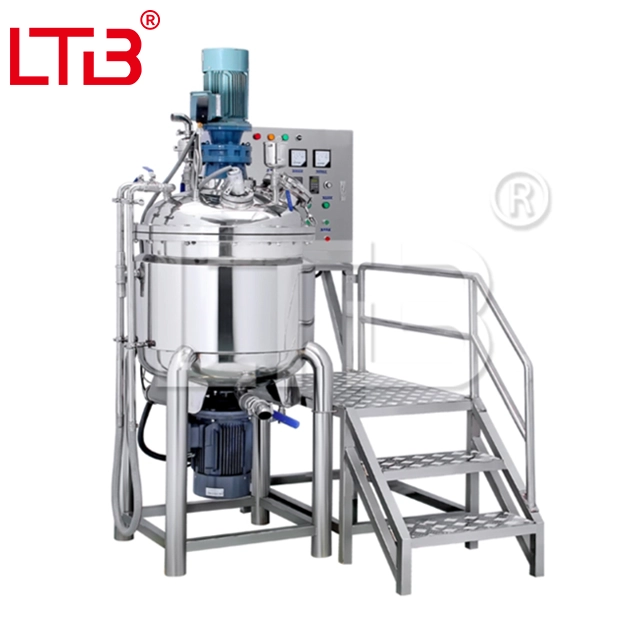
Creams, lotions, and other emulsified products often leave behind residues that are difficult to remove if the equipment is not cleaned correctly. Even a small amount of leftover product can affect the next batch, causing changes in texture, fragrance, or stability. This is why proper maintenance and sanitation practices are essential when operating a Vacuum Emulsifying Mixer.
Cleaning stainless steel processing equipment is not simply about making the machine look clean. It plays a direct role in product hygiene, production consistency, and equipment longevity. In industries such as cosmetics, pharmaceuticals, food, and daily chemicals, improper cleaning can lead to contamination, unstable emulsions, or reduced mechanical performance. Operators who understand how to clean a fixed stainless steel vacuum emulsifier properly can protect both product quality and machine reliability while maintaining efficient daily production.
Why Cleaning a Fixed Vacuum Emulsifier Matters More Than Many Buyers Expect
Product residue can affect texture, odor, and batch consistency
Residual creams, oils, and emulsified ingredients often cling to the walls of the tank, mixing blades, or pipelines. When a new batch begins, these residues can mix with the new formulation and change the final product characteristics. For cosmetic creams, even small differences in emulsification structure can influence how the product feels on the skin.
Residues may also affect fragrance or color stability. If the previous batch contained fragrance oils or pigments, traces left inside the equipment could contaminate the next product. Regular and thorough cleaning prevents such cross-contamination.
Poor cleaning can shorten seal, valve, and homogenizer life
Mechanical components inside a vacuum emulsifier work under high shear and pressure. Product buildup around seals, valves, and the homogenizer head can increase friction and wear. Over time, this may lead to leaks, unstable vacuum conditions, or reduced homogenization efficiency.
Keeping these areas clean allows the equipment to operate smoothly and reduces maintenance costs.
Stainless steel still needs the right cleaning method
Many processing tanks are built from high-grade stainless steel because it resists corrosion and maintains hygiene standards. However, stainless steel surfaces can still be damaged by improper cleaning tools or chemicals. Abrasive materials may scratch the surface, creating areas where residue accumulates more easily.
Proper cleaning techniques preserve the smooth surface finish and ensure long-term performance.
Which Parts Need the Most Attention During Cleaning
Main tank inner wall and bottom outlet area
The inner wall of the tank is the primary contact surface for the product. Creams and emulsions often cling to the sides of the vessel, especially if the formula contains waxes or thickening agents.
The bottom outlet area also requires careful cleaning. Residues may collect near discharge valves or corners where flow is slower during production.
Homogenizer head, rotor-stator zone, and scraper contact points
The homogenizer head is the core component responsible for breaking down droplets and forming stable emulsions. Because this area experiences intense shear forces, product particles can accumulate in the rotor-stator gap.
Scraper blades that move along the tank wall also come into constant contact with the product. Any residue left behind can harden and become difficult to remove if not cleaned promptly.
Lids, vacuum lines, valves, and transfer connections
Beyond the main tank, auxiliary components such as lids, vacuum pipelines, and transfer hoses must also be cleaned carefully. These areas may trap product particles or condensed vapors during production.
Neglecting these sections can compromise the entire cleaning process.
What to Do Before You Start Cleaning
Shut down power, pressure, heating, and vacuum safely
Safety always comes first. Before beginning the cleaning process, operators should ensure that the machine is completely powered down and that heating and vacuum systems are deactivated. Pressure inside the tank should be released according to standard procedures.
This prevents accidents and protects both the equipment and the operator.
Remove remaining product while it is still easier to flush out
Fresh product residues are much easier to remove than dried material. Immediately after production ends, operators should discharge the remaining contents and rinse the tank.
This early step reduces the amount of detergent required during cleaning.
Check whether the formula contains waxes, oils, or sticky thickeners
Different formulations require different cleaning strategies. Creams with high wax content may need warm water to melt residues, while oil-rich formulas may require specialized detergents designed to dissolve emulsified fats.
Understanding the composition of the previous batch helps determine the most effective cleaning approach.
A Step-by-Step Cleaning Process for Stainless Steel Fixed Systems
Pre-rinse to remove loose cream or lotion residue
The cleaning process usually begins with a water rinse to remove loose product particles. Warm water can help soften residues and improve cleaning efficiency.
During this stage, operators should ensure that water reaches all internal surfaces of the tank and pipelines.
Use a suitable detergent for oils, emulsions, and cosmetic buildup
After rinsing, a cleaning solution designed for emulsified products should be circulated through the system. The detergent breaks down oils, waxes, and thickening agents that remain attached to the stainless steel surface.
It is important to follow the recommended concentration and contact time for the detergent.
Clean difficult areas without scratching the stainless surface
Some areas may require manual attention. Soft cleaning tools should be used to remove stubborn deposits without damaging the stainless steel finish.
Special care should be taken near the homogenizer head and scraper blades.
Rinse thoroughly and make sure no cleaner is left behind
Once detergent cleaning is complete, the system should be rinsed thoroughly with clean water. Any remaining cleaning chemicals could contaminate the next batch if not removed.
Dry the system and inspect before the next batch
Drying prevents moisture accumulation and helps identify areas that may have been missed during cleaning. Operators should visually inspect the tank, valves, and mixing components before restarting production.
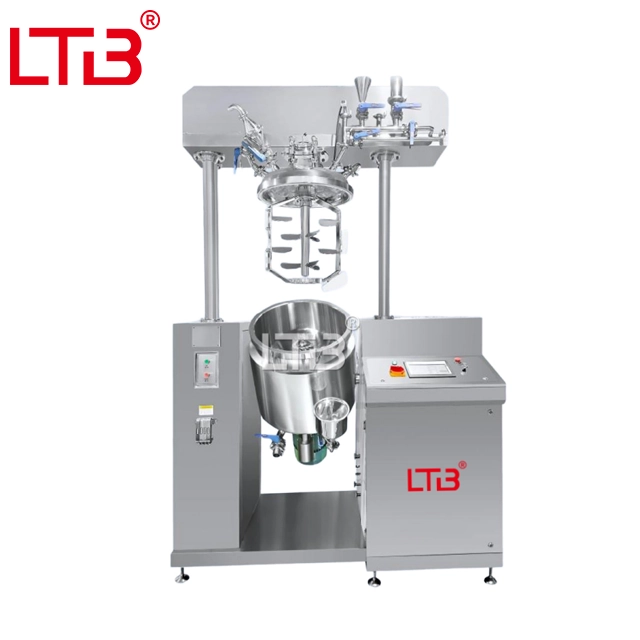
Which Cleaning Mistakes Can Damage the Machine
Using overly aggressive chemicals on stainless steel surfaces
Strong acids or harsh chemicals can damage stainless steel and compromise its corrosion resistance. Only cleaning solutions designed for food, cosmetic, or pharmaceutical processing equipment should be used.
Letting residue dry inside the tank or pipework
Dried residues become much harder to remove and may require additional cleaning cycles. Immediate rinsing after production significantly reduces this problem.
Ignoring seals, welds, corners, and dead zones
Hidden areas where product flow is minimal can accumulate residues over time. These zones must be included in routine cleaning procedures.
Treating all cosmetic formulas as if they clean the same way
Different products behave differently during cleaning. A thick body butter will require a different cleaning approach than a light lotion.
How to Build a Smarter Cleaning Routine for Daily Production
Quick cleaning between similar batches
When producing multiple batches of the same or similar formulations, a shorter cleaning cycle may be sufficient. This helps maintain efficiency while ensuring hygiene.
Full cleaning for formula changes or end-of-day shutdown
A comprehensive cleaning cycle should be performed whenever a formula changes or production ends for the day. This prevents cross-contamination and prepares the machine for the next run.
Cleaning records that help reduce quality complaints later
Maintaining detailed cleaning records allows operators to track maintenance practices and demonstrate compliance with quality standards.
What Buyers Should Look for in a Vacuum Emulsifying Mixer That Is Easier to Clean
Smooth internal finish and fewer hard-to-reach areas
Machines with polished stainless steel interiors and simplified structural design are easier to clean thoroughly.
Thoughtful valve, outlet, and lid structure
Well-designed discharge systems and accessible lids allow operators to inspect and clean internal components more effectively.
Stable construction that supports repeatable cleaning
Equipment manufactured with precise engineering and quality materials helps ensure consistent cleaning performance.
Cleaning Tasks by Machine Area and Recommended Frequency
Machine Area | Typical Residue | Cleaning Priority | Risk If Ignored | Suggested Frequency |
Tank inner wall | Cream residue, oils | High | Batch contamination | Every batch |
Homogenizer head | Thick emulsions | High | Reduced emulsification | Every batch |
Scraper blades | Sticky product buildup | Medium | Poor mixing circulation | Every batch |
Valves and outlets | Product accumulation | Medium | Blockages or leaks | Daily |
Vacuum lines | Condensed vapors | Medium | Vacuum instability | Weekly |
Conclusion
Effective cleaning is an essential part of maintaining production quality when working with emulsified products. Residue control, proper sanitation, and routine inspection protect both product integrity and equipment lifespan. When manufacturers adopt structured cleaning procedures and operate well-engineered equipment, production becomes more stable and reliable. A well-designed emulsification system such as a vacuum emulsifier mixing system supports easier maintenance, better hygiene control, and consistent results for cosmetic, pharmaceutical, and food production lines.
Contact Us
If you would like to learn more about professional emulsifying equipment or improve the efficiency of your production process, feel free to contact LTB Machinery Co., Ltd. Our engineering team can provide detailed guidance and customized solutions tailored to your manufacturing requirements.
FAQ
1. How often should a vacuum emulsifying mixer be cleaned?
Most production lines perform a cleaning cycle after every batch. A deeper cleaning process is recommended when switching formulas or finishing daily production.
2. What cleaning solution works best for cosmetic cream residues?
Detergents designed for emulsified oils and waxes are typically the most effective. They dissolve residues without damaging stainless steel surfaces.
3. Can improper cleaning affect emulsification quality?
Yes. Residues left inside the mixer can alter the next batch’s composition, leading to inconsistent texture, stability issues, or fragrance contamination.
4. Why is stainless steel commonly used in vacuum emulsifiers?
Stainless steel provides corrosion resistance, smooth hygienic surfaces, and durability, making it suitable for cosmetic, pharmaceutical, and food production environments.


