

What Is A Bottle Filling Machine Used For?


A bottle filling machine is an essential piece of equipment used in various industries such as food and beverage, pharmaceuticals, cosmetics, and chemicals. It is designed to automate the process of filling bottles with liquids, creams, oils, and other substances. These machines increase production efficiency, reduce labor costs, and ensure consistent quality and accuracy in the filling process. The purpose of this article is to explore the different applications of bottle filling machines, discuss the types available in the market, and guide you in choosing the right machine for your production line.
What is a Bottle Filling Machine?
Definition & Functionality
A bottle filling machine is a mechanical device used to fill liquid, cream, or other products into bottles, jars, and other containers. The machine is designed to operate at high speeds while maintaining accuracy and consistency in each filling cycle. The primary function of a bottle filling machine is to ensure that the correct amount of product is dispensed into each container, whether the product is a liquid, paste, or semi-solid.
Technology Behind Bottle Filling Machines
Modern bottle filling machines utilize a variety of technologies to automate the filling process. Common technologies used include:
Servo Motors: Allow for precise control over the filling process, ensuring that each bottle is filled with the correct amount of product.
Piston Mechanism: Used for filling thicker liquids or pastes by controlling the volume dispensed with high accuracy.
Gravity: Relies on the force of gravity to fill bottles with low-viscosity liquids like water and juices.
Vacuum Filling: Ensures that the filling process occurs in a vacuum environment to prevent contamination and extend shelf life for sensitive products like oils and wines.
Key Uses of Bottle Filling Machines
Food and Beverage Industry
The food and beverage industry is one of the largest sectors that utilize bottle filling machines. These machines are responsible for filling various beverages into bottles and ensuring that each container is properly sealed and labeled. The types of liquids filled can range from thin liquids such as water to thicker substances like sauces and syrups.
Applications in Food & Beverage
Beverages: Soft drinks, juices, water, and alcoholic beverages like beer and wine.
Sauces and Condiments: Ketchup, mustard, and other condiments often require specialized filling equipment due to their thicker consistency.
Cosmetics and Personal Care Industry
Cosmetics and personal care products often need high-precision filling to ensure that products are dispensed correctly into each bottle, tube, or jar. Bottle filling machines in the cosmetic industry are used to fill products like lotions, shampoos, perfumes, and creams.
Applications in Cosmetics & Personal Care
Lotions and Creams: Skin creams, moisturizers, and other skincare products that require precise filling to maintain consistency.
Shampoos and Conditioners: Liquids with moderate viscosity are filled using automated systems that ensure the right volume is dispensed.
Pharmaceutical Industry
In the pharmaceutical industry, bottle filling machines play a crucial role in filling medicinal products such as liquid syrups, cough medicines, and liquid vaccines. These machines need to comply with strict hygiene standards and often feature advanced technology to ensure accuracy in dosage.
Applications in Pharmaceuticals
Syrups and Oral Medications: Automatic bottle filling machines ensure that the correct dosage is dispensed with high precision.
Injectables and Vaccines: These require highly sterile environments, and filling machines are equipped to handle these sensitive products.
Household Cleaning Products
Bottle filling machines are also widely used in the production of household cleaning products such as detergents, surface cleaners, and disinfectants. These products are often filled in large volumes, and the machines help ensure uniformity and efficiency during the process.
Applications in Household Cleaning
Liquid Detergents: Washing liquids are filled quickly and efficiently, maintaining product consistency across all bottles.
Disinfectants and Surface Cleaners: These products, which require a controlled filling process, are also commonly filled using automated systems.
Other Industries
In addition to the food, beverage, cosmetics, and pharmaceutical industries, bottle filling machines are also used in various other sectors, such as:
Chemical Industry: Filling machines for industrial chemicals, lubricants, and other liquid chemicals.
Essential Oils: Specialized filling machines designed for filling small volumes of high-value essential oils and fragrances.
Why is a Bottle Filling Machine Important?
Consistency and Accuracy
One of the primary reasons bottle filling machines are used is to ensure the consistency and accuracy of the product filled into each bottle. Manual filling processes can lead to significant variations in the amount of product dispensed. Automated machines eliminate this variability by using advanced technologies that provide precise control over the filling volume.
Time Efficiency
Bottle filling machines can operate at high speeds, significantly reducing the time it takes to fill bottles compared to manual methods. This increase in speed not only enhances production efficiency but also allows manufacturers to meet the demands of high-volume production.
Cost-Effectiveness
By automating the filling process, companies can reduce labor costs associated with manual filling. Additionally, bottle filling machines help minimize product waste by accurately filling each bottle, ensuring that the exact required amount of product is dispensed every time.
Hygiene and Safety
In industries such as food, beverage, and pharmaceuticals, maintaining strict hygiene standards is essential. Bottle filling machines are designed to meet these standards by utilizing clean-in-place (CIP) systems, preventing contamination, and ensuring that products are safe for consumer use.
Customizability
Many bottle filling machines are customizable to meet specific production needs. This flexibility allows manufacturers to adapt the machines to different bottle sizes, product types, and production volumes.
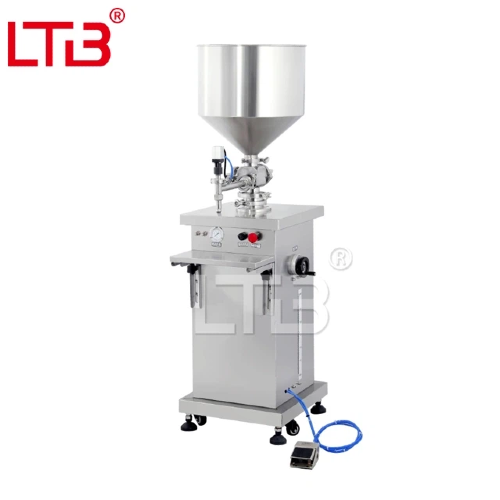
Types of Bottle Filling Machines and Their Uses
Servo Motor Filling Machines
Servo motor filling machines are commonly used for high-precision applications where exact volume control is necessary. These machines are ideal for filling both low and high viscosity liquids, such as oils, serums, and pharmaceuticals.
Rotary Filling Machines
Rotary filling machines are often used in high-volume production environments where speed is a critical factor. These machines can fill bottles quickly and are typically used in industries like beverages and household cleaning products.
Piston Filling Machines
Piston filling machines are designed for filling thicker liquids, pastes, and creams. They work by using a piston that draws the product into a cylinder before releasing it into the bottle.
Gravity Filling Machines
Gravity filling machines rely on gravity to fill bottles with liquids. These machines are typically used for low-viscosity liquids like water and juice. They are simple, cost-effective, and ideal for high-volume production.
Vacuum Filling Machines
Vacuum filling machines are often used for products that require an airtight seal, such as oils and wines. The vacuum helps to prevent contamination and preserve the quality of the product.
Semi-Automatic Filling Machines
Semi-automatic filling machines are ideal for small to medium production volumes. They require manual intervention for some steps, such as placing bottles in position, but automate the filling process.
Hot Filling Machines
Hot filling machines are designed for products that need to be filled while hot, such as juices and sauces. These machines help to preserve the product and extend its shelf life by filling it at elevated temperatures.
Tabletop Filling Machines
Tabletop filling machines are compact, low-volume filling systems that are ideal for small-scale production. They are commonly used in the cosmetics, food, and beverage industries for filling small quantities of liquid products.
Key Features of Different Bottle Filling Machines
Type of Bottle Filling Machine | Suitable For | Filling Speed | Product Types | Advantages |
Servo Motor Filling | High-precision, high-volume production | Fast | Oils, serums, pharmaceuticals | High precision, flexible, energy-efficient |
Rotary Filling | High-volume operations | Very fast | Beverages, household cleaners, sauces | High output, compact design |
Piston Filling | High-viscosity liquids | Moderate to fast | Creams, pastes, sauces, pharmaceuticals | Accurate, minimal waste, thick products |
Gravity Filling | Thin liquids, low viscosity | Moderate | Water, juices, soft drinks, light cleaning products | Simple, cost-effective, low-maintenance |
Vacuum Filling | Sensitive liquids, airtight seal needed | Moderate | Olive oil, wines, sauces | Long shelf life, high-quality seal |
Semi-Automatic Filling | Low to medium production volumes | Moderate | Essential oils, artisanal beverages | Affordable, flexible, easy to operate |
Hot Filling | Heat-sensitive liquids | Moderate | Juices, jams, sauces | Sterile, longer shelf life, preserves flavor |
Tabletop Filling | Small-scale production | Slow | Perfumes, essential oils, small batches | Compact, portable, low investment |
Conclusion
Bottle filling machines are essential components in modern manufacturing, offering a fast, efficient, and hygienic solution for filling products into bottles, jars, and containers. By automating the filling process, these machines boost production speed, ensure consistency, and maintain high accuracy, all while meeting industry standards. Whether you're in the food, beverage, pharmaceutical, or cosmetic industry, understanding the different types of bottle filling machines and their applications is crucial in selecting the right equipment for your production needs.
At LTB Machinery, we specialize in providing reliable and high-quality bottle filling machines tailored to your specific requirements. Whether you need a machine for high-volume production or smaller, specialized batches, our solutions are designed to optimize your production process and improve product quality. Our team is ready to help you choose the right machine that fits your product type, production volume, and industry demands. Contact us today to learn more and find the perfect filling solution for your business.
FAQ
1. What are the different types of bottle filling machines?
There are several types of bottle filling machines, including servo motor filling machines, rotary filling machines, piston filling machines, gravity filling machines, and vacuum filling machines. Each type is suited for specific product types and production volumes.
2. Can a bottle filling machine be used for different products?
Yes, bottle filling machines can be customized to handle various products, including liquids, creams, gels, pastes, and more. The choice of machine depends on the viscosity of the product and the production requirements.
3. How do I know which bottle filling machine is right for my business?
The right bottle filling machine depends on several factors, including your product type, production volume, industry standards, and budget. It's important to consider these factors carefully before making a decision.
4. Are bottle filling machines easy to maintain?
Modern bottle filling machines are designed to be user-friendly and require minimal maintenance. However, regular cleaning and maintenance are necessary to ensure optimal performance, especially in industries like food, beverage, and pharmaceuticals.
5. How does a bottle filling machine improve efficiency in production?
A bottle filling machine automates the filling process, which increases the speed of production, reduces labor costs, and ensures consistent product quality, all of which contribute to higher efficiency in manufacturing.


